
Do you need a permit for a dumpster or porta potty in Stamford?
It depends on where the unit sits. On your own driveway, yard or job site, most placements move forward without a city permit. The moment a roll-off dumpster rental or a portable toilet sits on a street, curb lane or public sidewalk, that is a different category, and Stamford's right-of-way rules need a direct call to the city, since this is NOT VERIFIED in our records and we won't guess at a code number. This is the same logic that trips people up searching "delaware porta potty rental" or "jersey city dumpster permit," because permit-for-street placement is a near-universal rule across cities in the Northeast, even though the specific ordinance and fee vary town to town. If your project is a home remodel, check our home renovation porta potty guide before you assume the driveway is automatically permit-free. Construction sites layering in a temporary power pole or a light tower rental often need separate electrical or right-of-way sign-off too, and that conversation belongs with the city, not with us guessing.
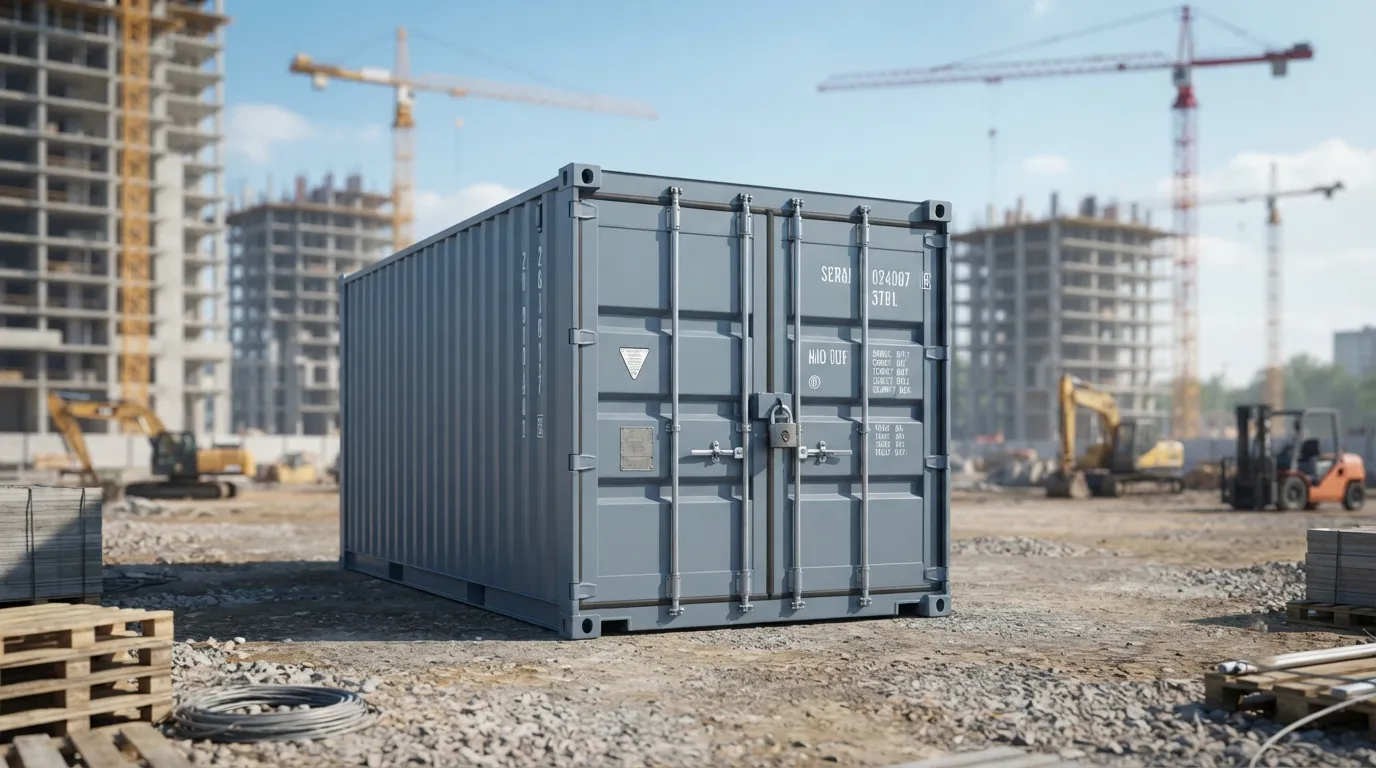
What are the actual porta potty rules and regulations?
The rules that do apply everywhere come from OSHA, not the city. If you've got workers on a construction site, OSHA 1926.51(c)(1) sets the toilet count: one facility for 20 workers or fewer, then one toilet seat and one urinal per 40 workers as you climb past that, dropping to one per 50 once you hit 200 or more. Farms with hand-labor crews fall under a different standard, OSHA 1928.110, which calls for one facility per 20 employees within a quarter mile walk, relevant for anyone running farm and agricultural restrooms outside the city core. General industry workplaces, as opposed to construction, use 1910.141(c)(1)(i) instead. None of these are Stamford ordinances. They are federal labor rules that apply on top of whatever the city says about placement. Anyone unsure how many units their crew needs should start with how many porta potties do I need or the fuller OSHA portable toilet requirements breakdown before ordering.
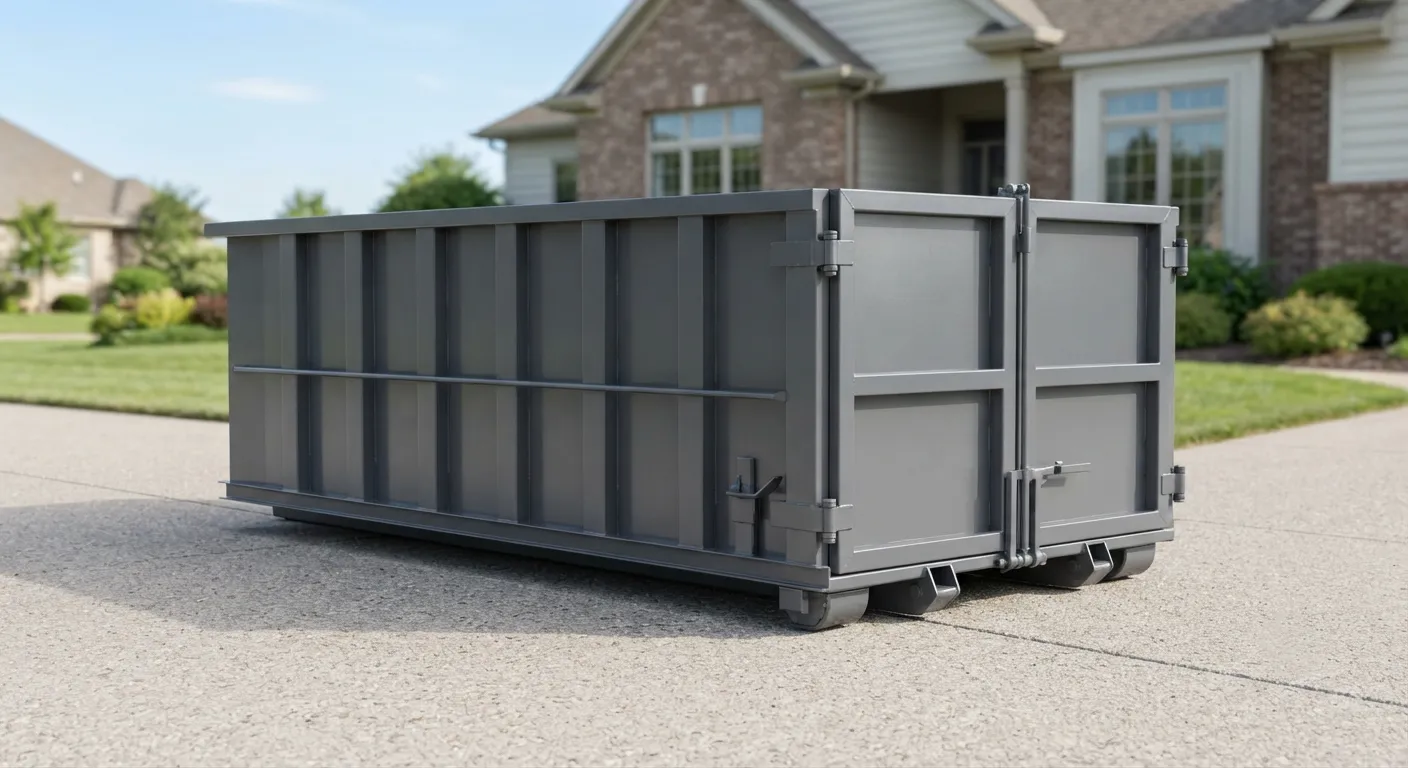
Where are the porta potty placement rules strictest?
Placement rules tighten near sidewalks, fire lanes and ADA-required routes. ADA Standards section 403.5.1 requires 36 inches of clear route width, and where several single-user units are grouped, section 213.2 requires at least 5 percent to be accessible, never fewer than one unit. That means a bank of ten standard units at a Stamford festival or fair needs at least one ADA accessible porta potty in the row, positioned so the 60-inch turning circle in section 304.3.1 actually fits. Ground surfaces under and around the unit need to be stable and slip resistant per section 302.1, which rules out soft turf or gravel that shifts. A roll-off delivery adds its own footprint problem: the truck needs about 60 feet of straight clearance behind it to set the box down, which is often the real constraint on a tight Stamford lot, not the permit itself. See dumpster permit requirements and porta potty placement guide for the layout side of this.

When does a construction site need extra sign-off?
Extra sign-off tends to show up when the site adds electrical load, blocks a public way, or handles hazardous residue. A 200-amp temporary service, GFCI-protected under OSHA 1926.404(b)(1)(ii), usually pairs with its own electrical permit conversation, separate from the construction site services sanitation plan. Housekeeping rules under OSHA 1926.25 and waste chute rules under 1926.252 govern how debris leaves the site, which matters if you're comparing a 10 yard dumpster rental against a 20 yard dumpster rental for a Stamford teardown. If crews are applying paints, coatings or insecticides, OSHA 1926.51(f)(1) requires washing facilities for that contaminant exposure specifically, not as a general handwashing rule, and a handwashing station rental or portable sink rental covers that gap. Soap and towels, not sanitizer alone, satisfy 29 CFR 1910.141(d)(2). Norwalk sits 10.8 miles east of Stamford and Fairfield 21.5 miles northeast, and crews working across that corridor should expect the right-of-way question to reset at each town line, since Stamford's rule does not travel with the truck.
Frequently asked questions
Do I need a permit to put a porta potty on my property?
Usually not, if the unit sits fully on private property like a driveway, yard or job site. The picture changes fast if any part of the unit or the service truck's path crosses a public sidewalk or street, which is the scenario Stamford asks you to confirm directly before delivery.
Can a dumpster sit on the street in Stamford?
That needs a direct check with the city; it is not something we can confirm from here. Street placement is a different category than a private driveway, and towns from Stamford to Jersey City generally require some form of right-of-way approval for it. Ask before the 30 yard dumpster rental truck shows up.
How many porta potties does OSHA require per worker?
OSHA 1926.51(c)(1) sets one toilet facility for 20 or fewer construction workers, then one seat and one urinal per 40 workers up to 200, dropping to one per 50 beyond that. Farm labor crews follow a separate rule, 1928.110, at one facility per 20 workers.
Does an ADA unit need extra clearance?
Yes. ADA Standards call for a 36 inch clear route, a 32 inch door opening under 404.2.3, and a 60 inch turning circle nearby. Where units are clustered, at least 5 percent must be accessible, so plan the accessible unit's spot before the rest of the row.
What is the difference between a permit issue and a placement issue?
A permit issue is legal, whether the city allows the unit where you want it. A placement issue is physical, whether the ground is stable, the route is wide enough, or the delivery truck has its 60 feet of clearance. Both need solving before drop-off, and request a quote is the fastest way to sort both at once.
Next step
Get a delivery date
Tell us the address, the dates and the headcount. We size the order and confirm the route.